
"Costa Rica exports"
900 article(s) found

Introduction to the regional treatment method for the characteristics of flavor and taste varieties in Costa Rica Huangmi Coffee Manor
The characteristics of flavor and taste varieties in Costa Rica Yellow Honey Coffee Manor Regional treatment method Coffee was introduced to Costa Rica from Cuba in 1729. Today, its coffee industry is one of the well-organized industries in the world, with an output of 1700 kg per hectare. Costa Rica has a population of only 3.5 million, but there are 400 million coffee trees, and coffee exports account for 25% of the country's total exports.

Light and pure sweet Costa Rican Tara beads boutique coffee beans grinding degree baking degree treatment method simple
Costa Rica's coffee industry, originally controlled by the Costa Rican Coffee Industry Company (InstitutodelCafdeCostaRica, ICAFE), has been taken over by the official Coffee Committee (OficinadelCaf). Among the exported coffee, those products that are considered to be of substandard quality are colored with blue vegetable dyes and then transferred back to China for sale. Coffee consumed at home

A brief introduction to the historical development of coffee background in Diamond Hill Manor in Costa Rica
Tarrazu in Costa Rica is one of the major coffee producing areas in the world. The coffee produced is light and pure in flavor and pleasant in aroma. Costa Rica, with its fertile volcanic soil and good drainage, is the first country in Central America to grow coffee and bananas for commercial value. Coffee and bananas are the country's main exports. In 1729, coffee was introduced from Cuba to Goth.

A brief introduction to the market price of gentle and supple Tarazhu boutique coffee beans in Costa Rica
Other kinds of Brazilian coffee, such as Rio and Parana, can be produced in large quantities because they do not require too much care. Although the taste is rough, it is a kind of high-quality and inexpensive coffee, which has its own standards because it is distributed all over the country and its solid quality varies (NO.2NO.8 according to the number of sundries, NO.13NO.19 according to the size of beans, six grades according to taste).

Costa Rican coffee processing methods Brewing process Plantation estate Introduction
Coffee was introduced to Costa Rica from Cuba in 1729, and today its coffee industry is one of the most well-organized in the world, producing up to 1700 kilograms per hectare. Costa Rica has a population of 3.5 million, but coffee trees number 400 million, and coffee exports account for 25% of the country's total exports. The volcanic soils of Costa Rica are very fertile and well drained, especially in the central part.

Introduction to the characteristics of Costa Rican Saint Roman Coffee varieties with clear flavor and bright acidity
Coffee was introduced into Costa Rica from Cuba in 1729. Today, its coffee industry is one of the well-organized industries in the world, with a yield of 1700 kg per hectare. Costa Rica has only 3.5 million people but 400m coffee trees, and coffee exports account for 25 per cent of the country's total exports. The volcanic soil of Costa Rica is very fertile and well drained, especially in the central part.

Features of Fine Costa Rican Coffee Fine Costa Rican Coffee Beans
Coffee is an important source of income for Costa Rica, introduced in 1808 and cultivated for 200 years. Costa Rica, where a third of the population is involved in coffee, Costa Ricans say coffee has transformed the country, making it an affluent environment, and coffee has contributed significantly, even though Costa Rica ranks last in terms of land mass in Central America.

Introduction to the characteristics of Costa Rican St. Roman Manor Coffee with light and pure flavor
Coffee was introduced into Costa Rica from Cuba in 1729. Today, its coffee industry is one of the well-organized industries in the world, with a yield of 1700 kg per hectare. Costa Rica has only 3.5 million people but 400m coffee trees, and coffee exports account for 25 per cent of the country's total exports. The volcanic soil of Costa Rica is very fertile and well drained, especially in the central part.

Introduction of Coffee Flavor description in Fenghuang Manor, Costa Rica
Coffee was introduced into Costa Rica from Cuba in 1729. Today, its coffee industry is one of the well-organized industries in the world, with a yield of 1700 kg per hectare. Costa Rica has only 3.5 million people but 400m coffee trees, and coffee exports account for 25 per cent of the country's total exports. The volcanic soil of Costa Rica is very fertile and well drained, especially in the central part.

The unique strong flavor of Costa Rican Coffee Manor introduces the Goddess Manor.
Coffee was introduced into Costa Rica from Cuba in 1729. Today, its coffee industry is one of the well-organized industries in the world, with a yield of 1700 kg per hectare. Costa Rica has only 3.5 million people but 400m coffee trees, and coffee exports account for 25 per cent of the country's total exports. The volcanic soil of Costa Rica is very fertile and well drained, especially in the central part.
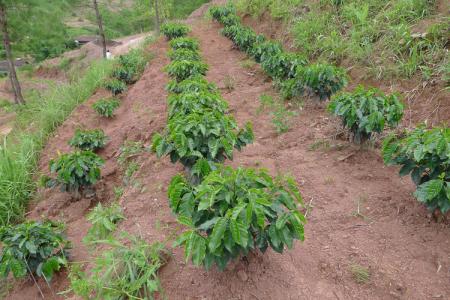
Costa Rica Red Kadura Washed Coffee Bean Grind Scale Taste Variety Introduction
Coffee was introduced to Costa Rica from Cuba in 1729, and today its coffee industry is one of the most well-organized in the world, producing up to 1700 kilograms per hectare. Costa Rica has a population of 3.5 million, but coffee trees number 400 million, and coffee exports account for 25% of the country's total exports.
Coffee beans suitable for blending blended coffee-Costa Rica C
Costa Rica Coffee: Costa Rica Coffee is produced in the Republic of Costa Rica (The Republic of Coffee) in southern Central America. Its coffee quality is similar to that of Colombia coffee, which is suitable for blending mixed coffee. Costa Rica is bordered by the Pacific Ocean to the west and the Caribbean Sea to the east. Costa Rica means "rich coast" in Spanish.

Unique strong Diamond Hill Manor of Costa Rica Fine Coffee beans Grinding degree roasting degree treatment
Coffee was introduced into Costa Rica from Cuba in 1729. Today, its coffee industry is one of the well-organized industries in the world, with a yield of 1700 kg per hectare. Costa Rica, with a population of only 3.5 million, has 400 million coffees, and coffee exports account for 25% of the country's total exports. The volcanic soil of Costa Rica is very fertile and well drained, especially in the central part.

Costa Rican coffee beans turned into golden beans.
Costa Rica's coffee industry started very early, and the first batch of coffee was exported to Colombia and Chile in ○ in 1882. In 1854, an importer and exporter, with the assistance of William Lyon, captain of the British Merchant ship, successfully exported 100 pounds of coffee to London, which became popular and was praised by the British aristocracy as the golden bean from Costa Rica. Since then, coffee has become a major cash crop in Costa Rica.

Introduction to the flavor and taste characteristics of Costa Rican coffee boutique coffee bean manor
Excellent Costa Rican coffee is called extra hard beans, and this kind of coffee can grow at an altitude of more than 1500 meters. Altitude has always been a problem for coffee growers. The higher the altitude, the better the coffee beans, not only because the higher altitude can increase the acidity of the coffee beans and thus increase the flavor, but also because the night temperature at the higher altitude is lower, which can make the trees grow slowly.

Costa Rica Tara Beads Coffee Flavor Description Grind Variety Features Taste Introduction
Costa Rica's coffee industry, formerly controlled by the Instituto del Café de Costa Rica (ICAFE), has been taken over by the Official Coffee Council (Oficina del Caf). Among coffee exports, those deemed substandard are colored with blue vegetable dye before being recycled for domestic sale. Coffee consumed domestically

A brief introduction to the Origin and Development of Fine Coffee beans in Huofenghuang Manor
Coffee was introduced into Costa Rica from Cuba in 1729. Today, its coffee industry is one of the well-organized industries in the world, with a yield of 1700 kg per hectare. Costa Rica has only 3.5 million people but 400m coffee trees, and coffee exports account for 25 per cent of the country's total exports. The volcanic soil of Costa Rica is very fertile and well drained, especially in the central part.

Costa Rica Diamond Mountain Coffee Bean Grind Scale Features
Coffee was introduced to Costa Rica from Cuba in 1729, and today its coffee industry is one of the most well-organized in the world, producing up to 1700 kilograms per hectare. Costa Rica has a population of 3.5 million, but coffee trees number 400 million, and coffee exports account for 25% of the country's total exports. The volcanic soils of Costa Rica are very fertile and well drained, especially in the central part.

Description of Costa Rican coffee flavor with clear flavor introduction to the taste of fine coffee beans in the producing area
Tarrazu in Costa Rica is one of the major coffee producing areas in the world. The coffee produced is light and pure in flavor and pleasant in aroma. Costa Rica, with its fertile volcanic soil and good drainage, is the first country in Central America to grow coffee and bananas for commercial value. Coffee and bananas are the country's main exports. In 1729, coffee was introduced from Cuba to Goth.

Unique and strong Diamond Hill Manor in Costa Rica, cultivation of boutique coffee beans, geographical location and climate
Coffee was introduced into Costa Rica from Cuba in 1729. Today, its coffee industry is one of the well-organized industries in the world, with a yield of 1700 kg per hectare. Costa Rica, with a population of only 3.5 million, has 400 million coffees, and coffee exports account for 25% of the country's total exports. The volcanic soil of Costa Rica is very fertile and well drained, especially in the central part.